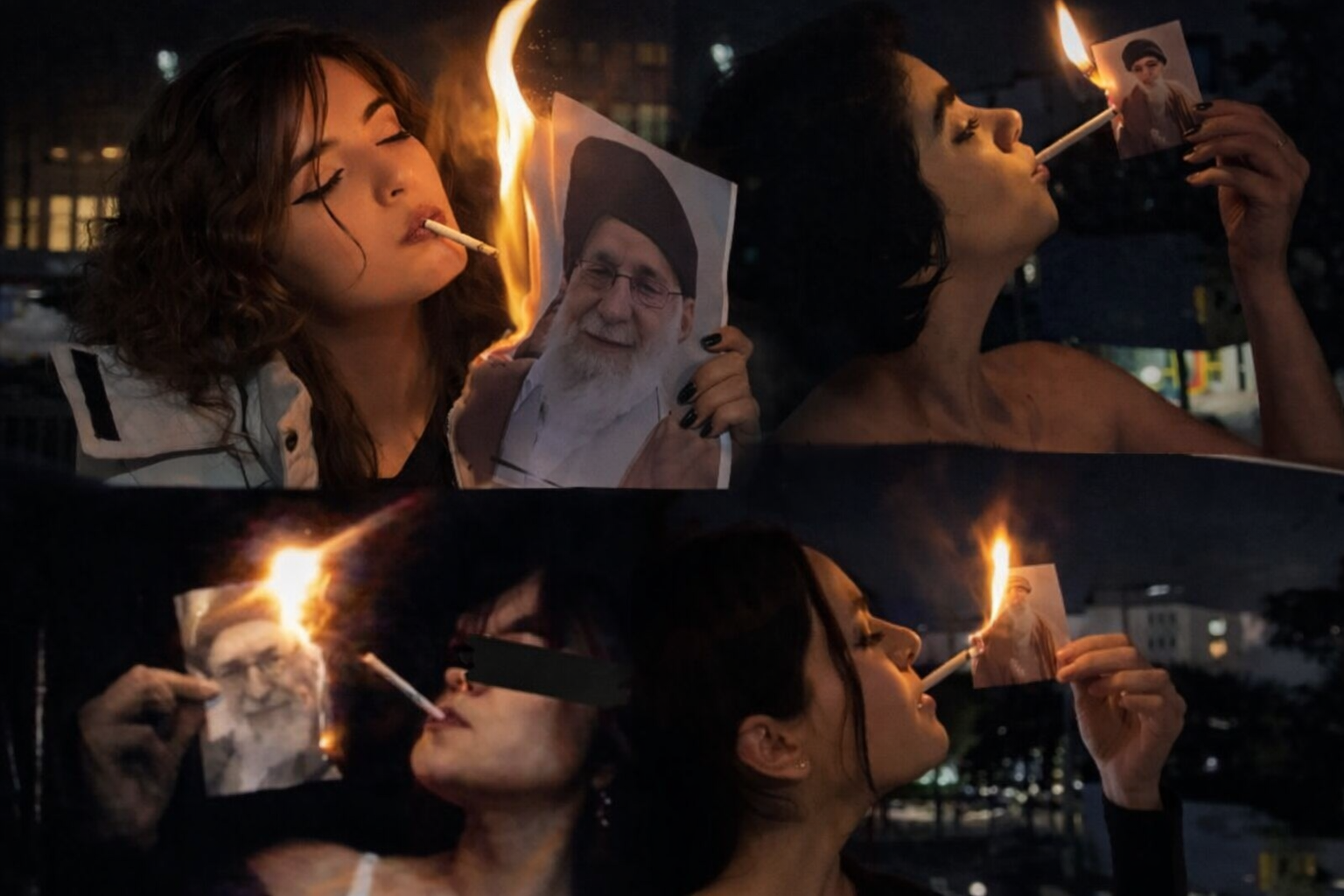
Tehran Desk, Delhi Magazine: Tehran’s night sky lit up not just with official broadcasts of mourning, but with something far more unexpected — cheers. Within hours of reports confirming the death of Ali Khamenei, social media platforms filled with striking images: women dancing bareheaded in the streets, young girls waving their hijabs in the air, music blasting from cars, and chants echoing through neighborhoods long associated with dissent. While state television showed organized memorials and somber gatherings, another Iran — restless, defiant, and unfiltered — surfaced online.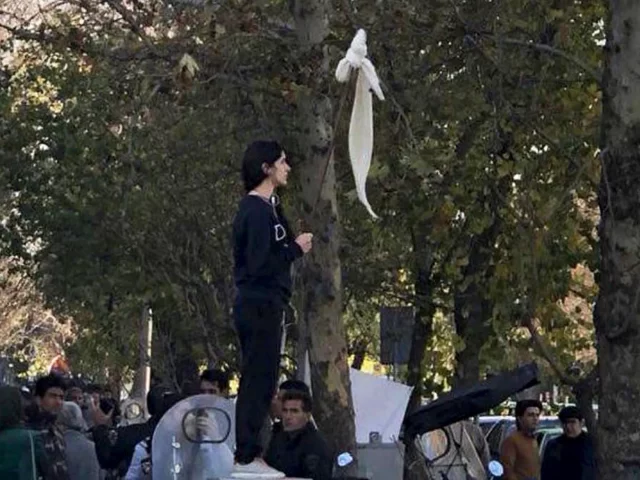
For many of the women seen celebrating, the moment was not about a single man’s passing. It was about what he represented. The roots of this visible outpouring stretch back to September 2022, when Mahsa Amini, a 22-year-old woman, died after being detained by Iran’s morality police, officially known as Gasht-e Ershad. Her death ignited the “Woman, Life, Freedom” uprising — a nationwide protest movement led largely by women and young people. Streets filled with demonstrators. Headscarves were burned in public squares. Teenage girls cut their hair in classrooms as an act of rebellion. What began as outrage over mandatory hijab enforcement quickly evolved into a broader challenge to state authority and social restrictions.
The morality police had long been accused by critics of stopping women in public, issuing warnings, detaining those deemed in violation of dress codes, and enforcing strict interpretations of public conduct. During the 2022 protests, reports of arrests, crackdowns, and confrontations intensified global scrutiny. For many young Iranians, the Supreme Leader symbolized the political structure that empowered such enforcement. So when the news of his death broke, celebration became — for some — a language of resistance.
Videos circulating widely show women dancing without headscarves under city lights, fireworks exploding overhead, and old protest slogans returning to the streets. In diaspora communities across Europe and North America, Iranian women gathered openly, chanting “Woman, Life, Freedom” once more — this time with visible relief. The images do not represent the entire nation; many citizens mourned, and official ceremonies drew large crowds. Yet the celebrations reveal a powerful undercurrent: the anger and aspirations unleashed in 2022 have not disappeared.
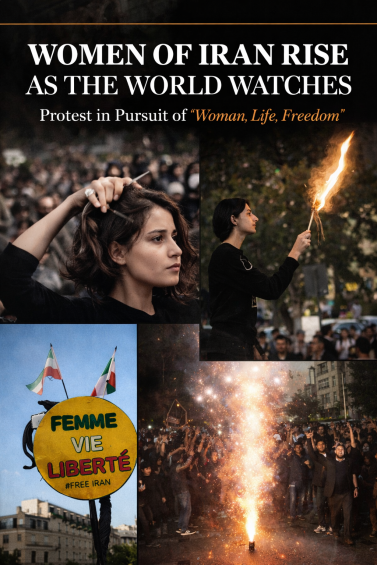
For those who took to the streets in celebration, the night was less about the end of a life and more about the possibility of change. Whether that possibility translates into policy shifts remains uncertain. Mandatory dress laws remain embedded in Iran’s legal framework, and enforcement patterns have fluctuated over time. But the message from the celebratory crowds was unmistakable — the struggle over identity, autonomy, and authority is far from settled.
In the flicker of fireworks and the rhythm of street music, one truth stood out: the fire that began in 2022 is still burning.